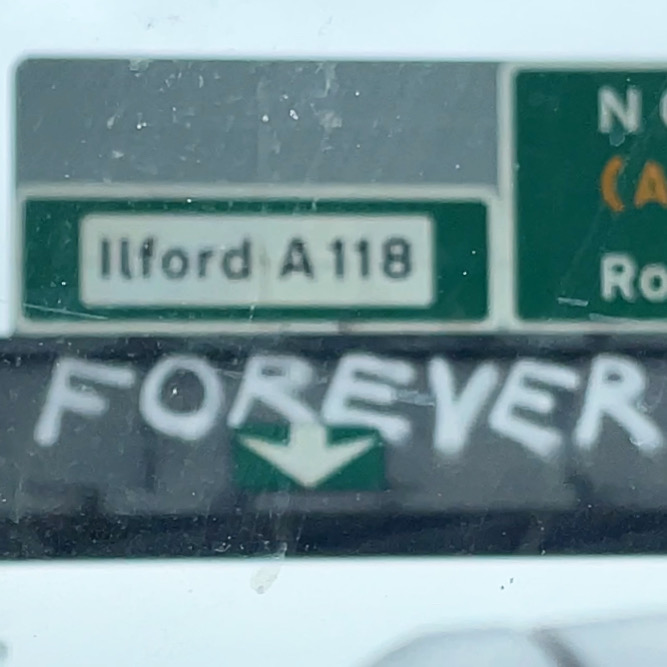

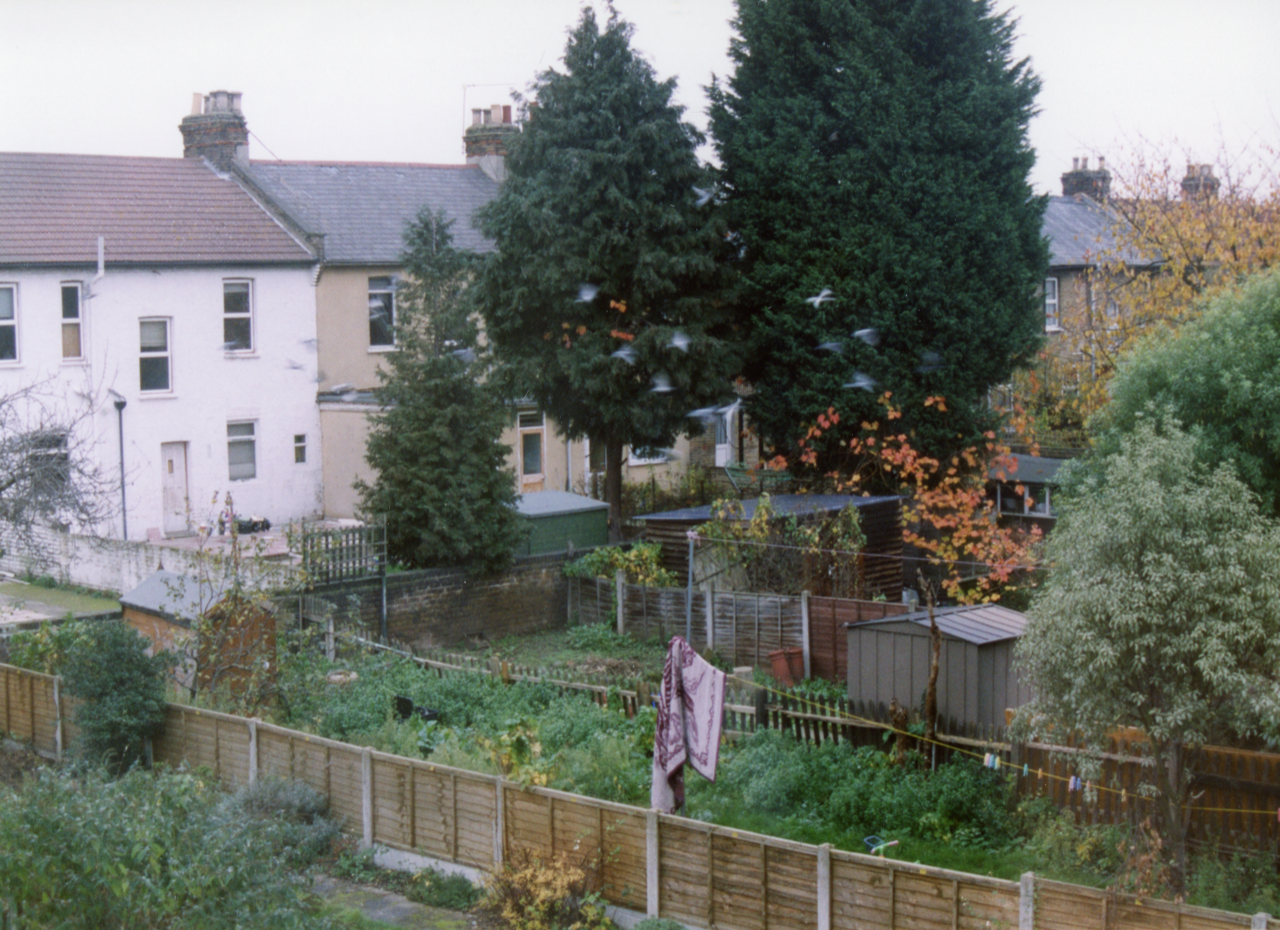
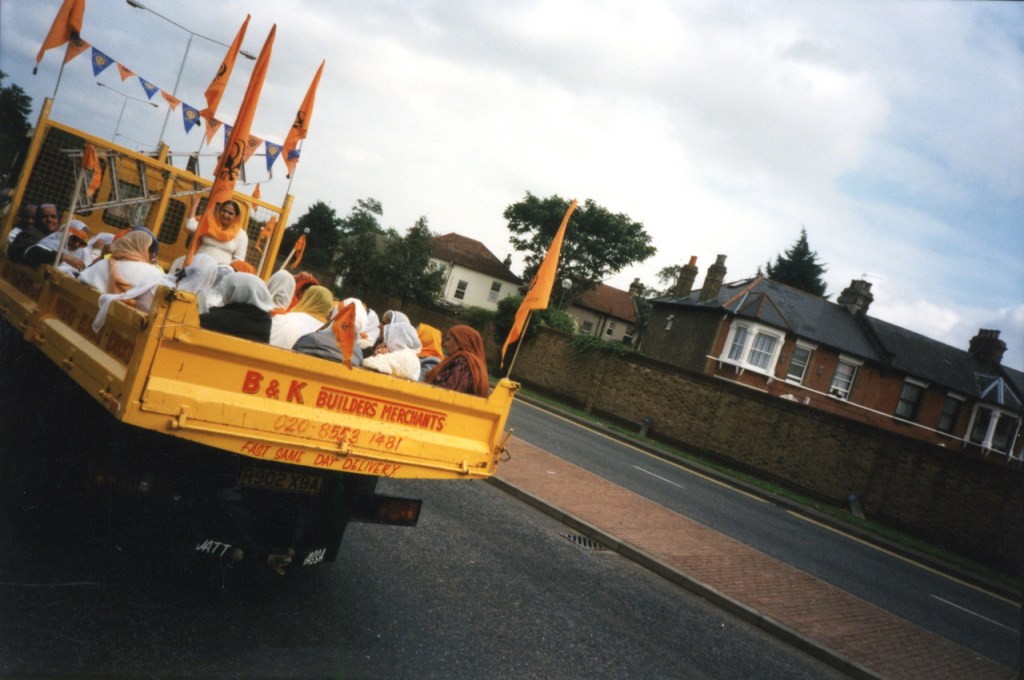
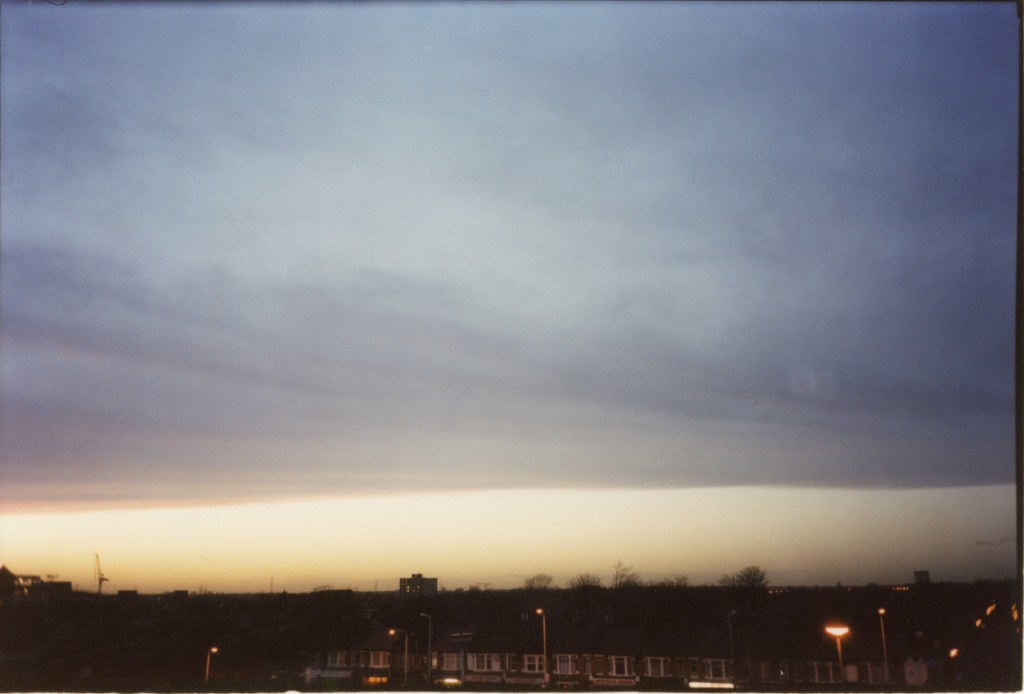
Situated on the far-eastern edge of London, Ilford occupies a liminal position between metropolis and suburb, between Essex and the capital, between histories of rural expansion and urban transformation. Once a market town on the road to London, it was radically reshaped by the arrival of the railway in the nineteenth century and later by the rapid suburbanisation of the twentieth. The expansion of the London Underground and the construction of the Becontree Estate nearby established the area as part of London’s vast commuter landscape, while successive waves of migration have made Ilford one of Britain’s most culturally diverse towns. Today, it exists as a place defined by continual transition: demographic change, redevelopment, contested ideas of regeneration, and shifting notions of belonging. The Elizabeth Line provides fast direct links to central London, Reading and Heathrow Airport and has driven major economic and social growth. Despite its proximity to central London, Ilford has often remained culturally overlooked, represented more through narratives of suburban anonymity than as a place with its own complex social and historical identity.
Photography itself is deeply embedded in Ilford’s history. The town gave its name to Ilford Photo, whose photographic papers and films shaped generations of photographic practice internationally. Yet while Ilford has contributed significantly to the history of the photographic medium, it has rarely occupied a prominent place within photographic representations of Britain. Instead, it exists largely on the margins of visual culture, eclipsed by London’s symbolic centre while embodying many of the social, economic and cultural transformations that define contemporary Britain. As such, Ilford offers a productive site through which to consider questions of memory, migration, class, suburbanism, and the relationship between personal identity and place.
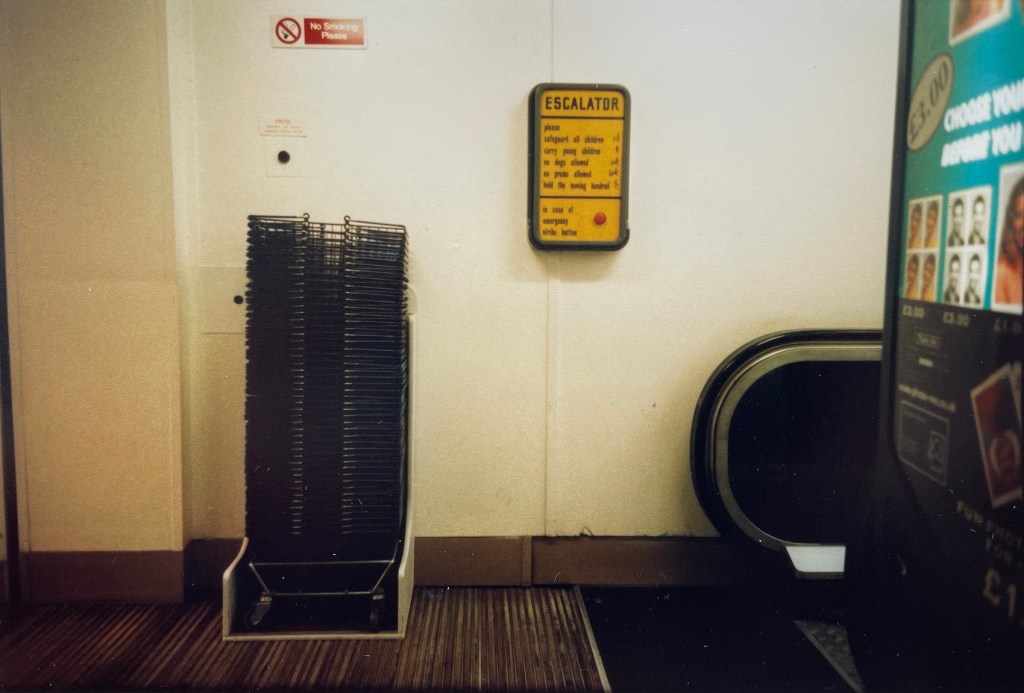
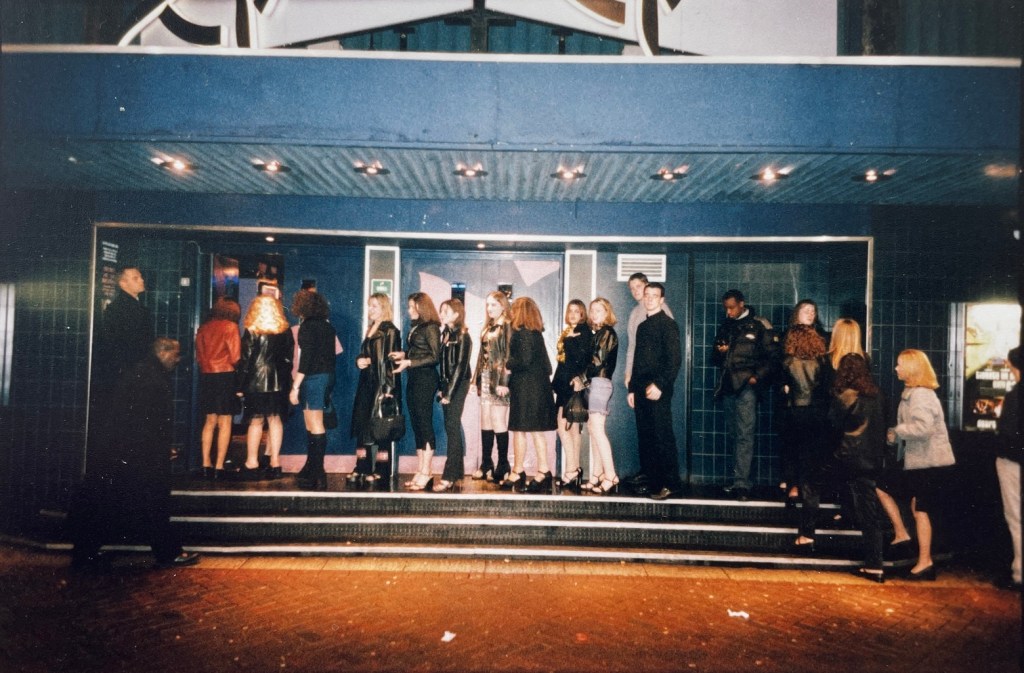
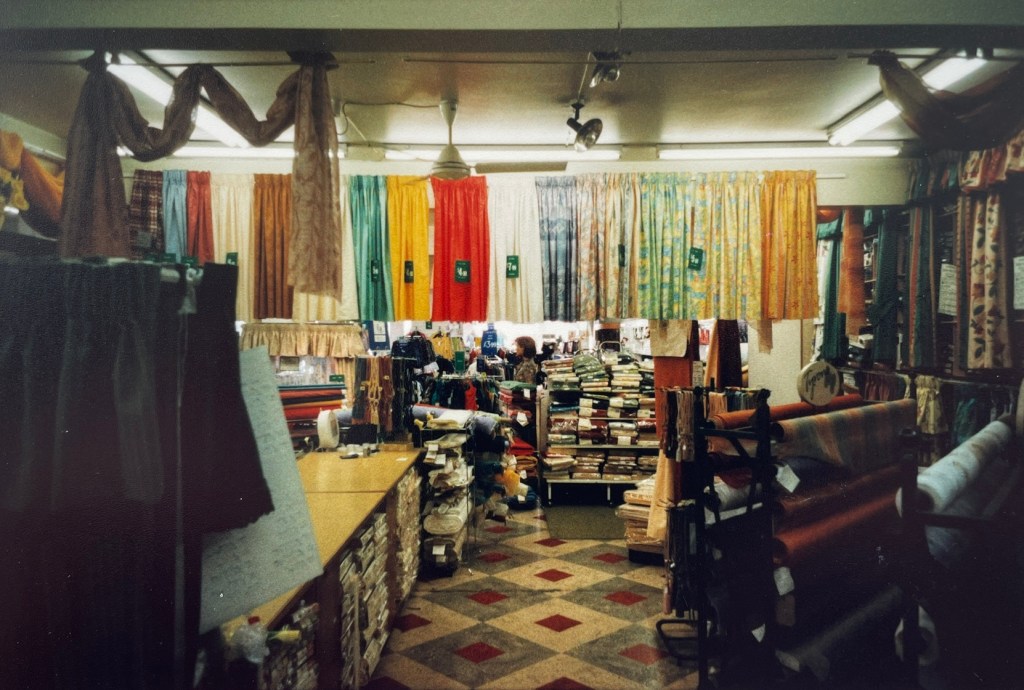
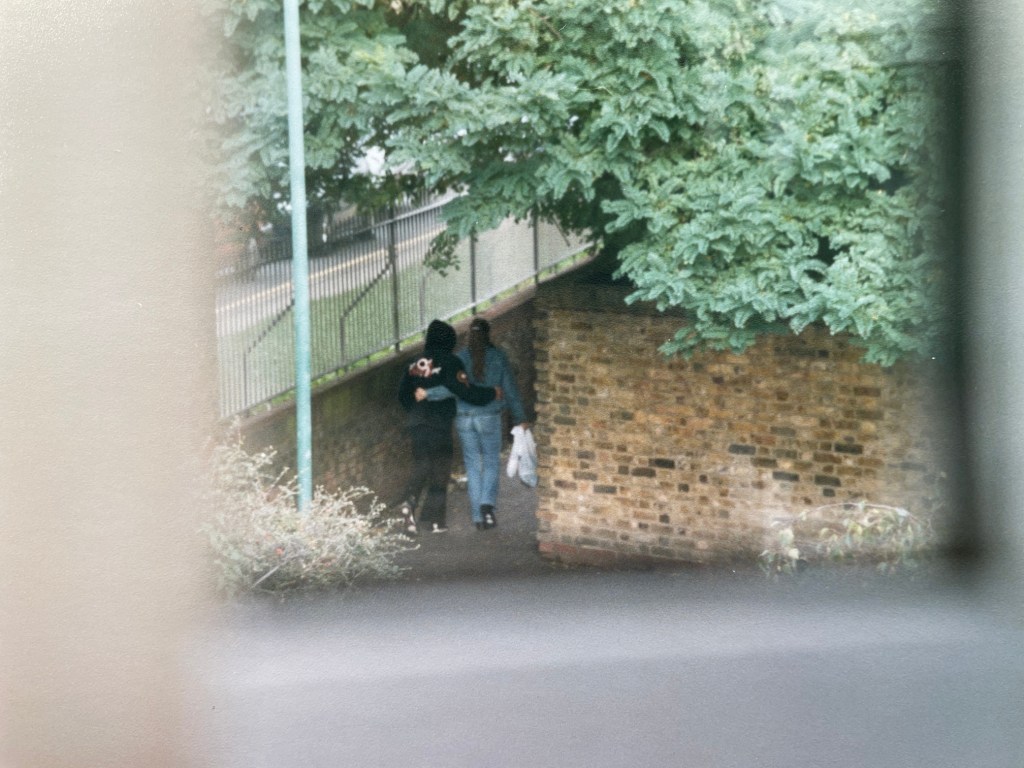
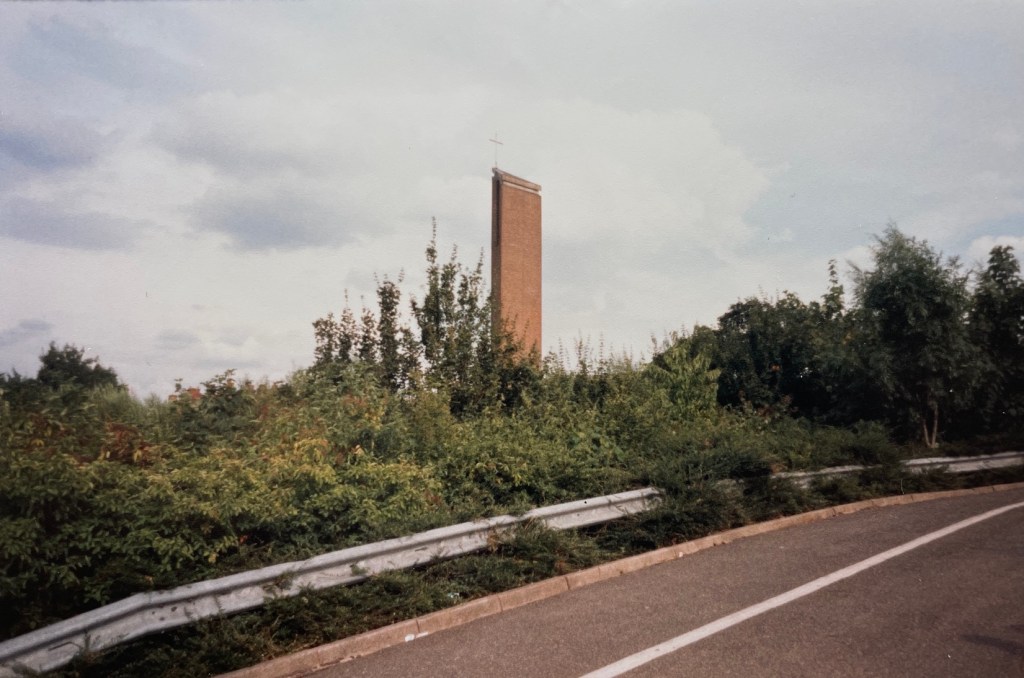
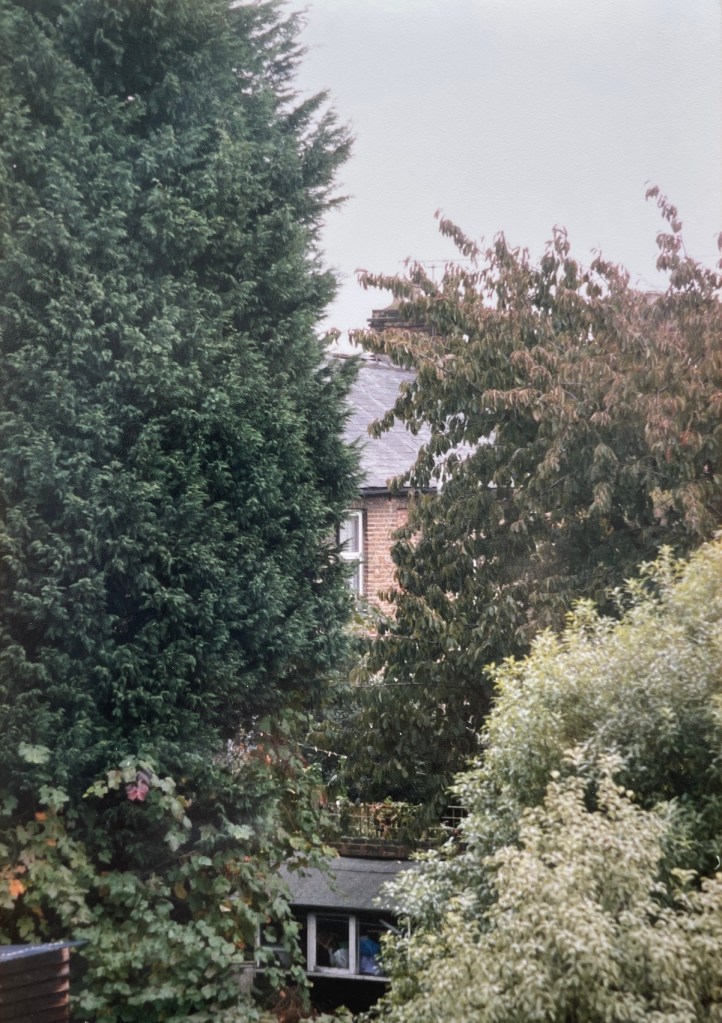
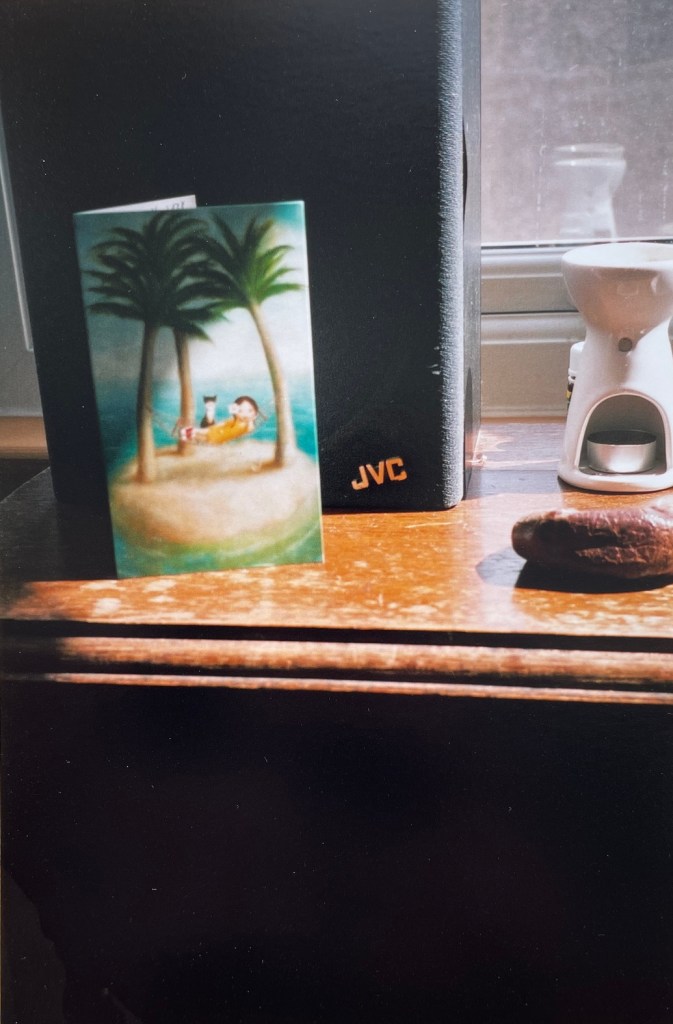
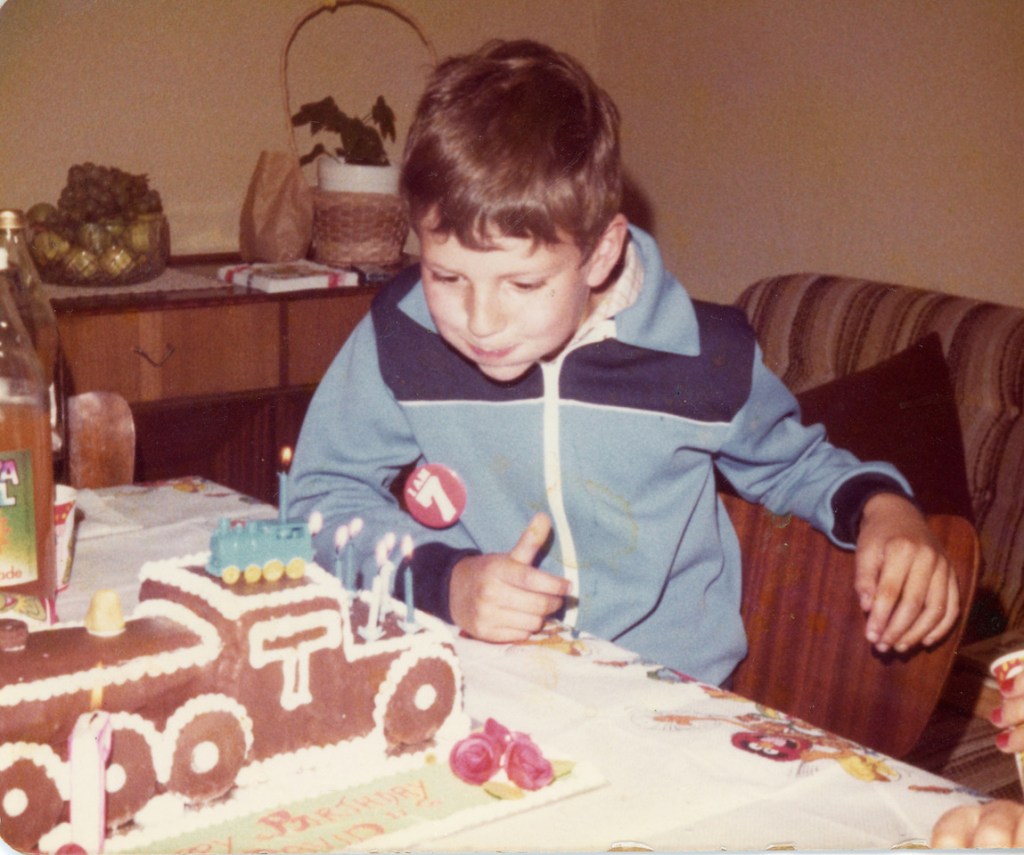
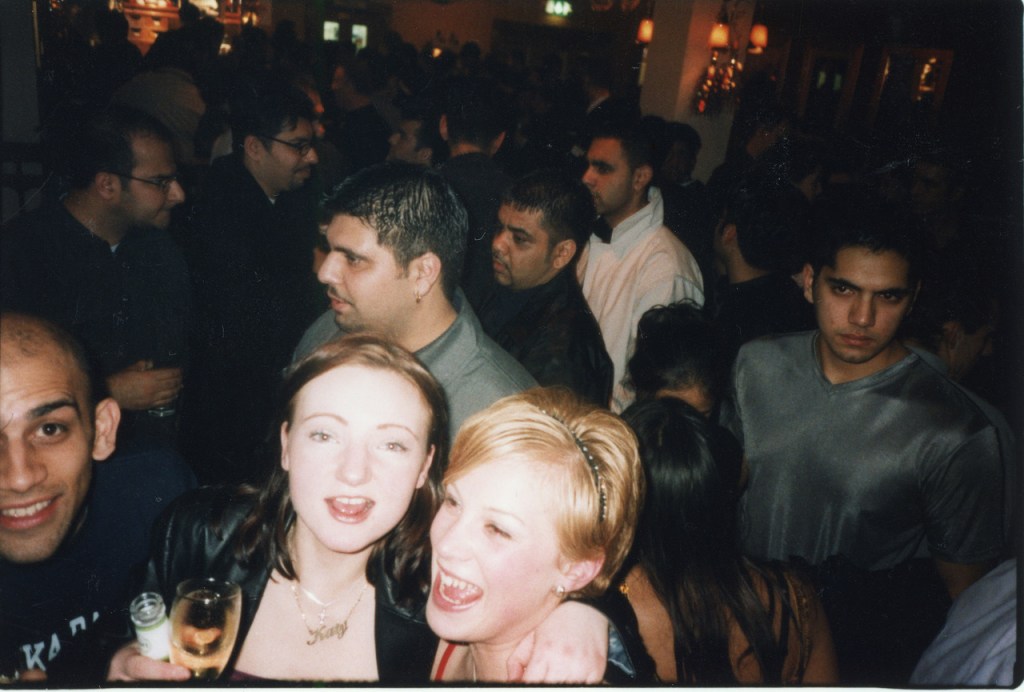
Ilford, Forever is an ongoing photographic project that reflects on the complicated relationship between identity and place. Growing up in Ilford, I left to study Photography at the West Surrey College of Art and Design in Farnham, before returning out of necessity and eventually moving closer to central London. The work emerges from the tension between departure and return, questioning how a place can remain formative long after leaving it behind. As a teenager, my attention was rarely fixed on Ilford itself. Evenings and weekends were spent travelling into central London, navigating the city alone or with friends. London represented possibility, escape and self-invention, while Ilford often felt like somewhere to leave behind. For many years, my relationship with the town was defined by this desire to be elsewhere. Returning later in life altered that perspective. Distance allowed familiar streets, buildings and overlooked spaces to be reconsidered, not through nostalgia but through reflection. The photographs are less concerned with documenting Ilford than with understanding the ways in which place continues to shape identity, even when it is resisted, occupying a space between affection and alienation, and recognising that belonging is rarely uncomplicated.
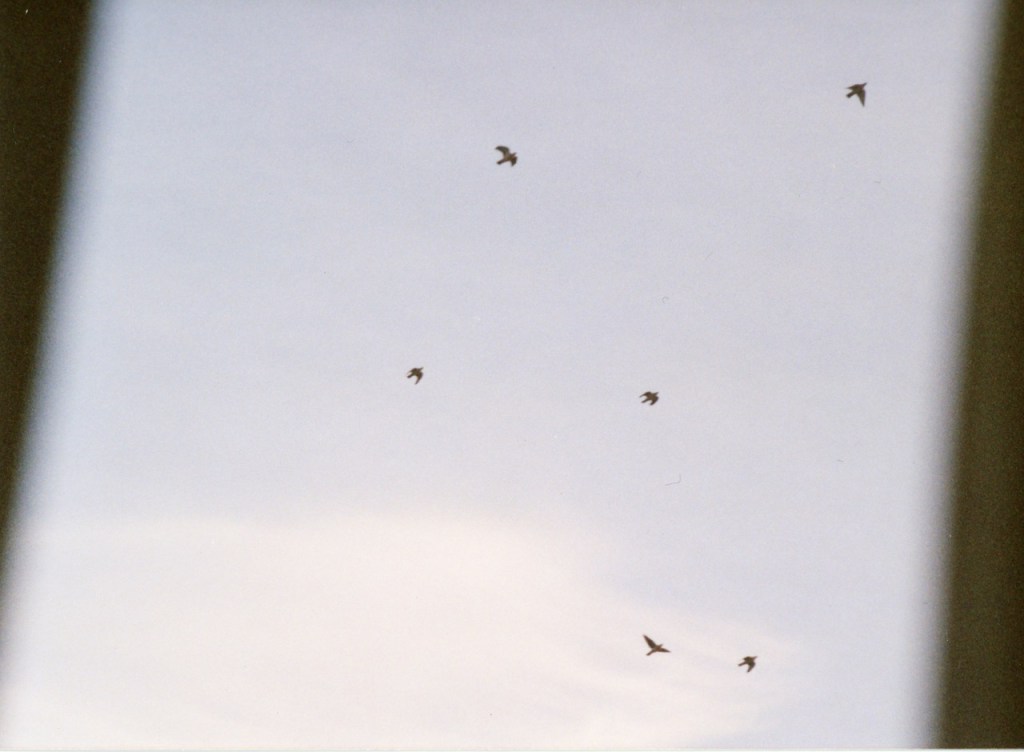
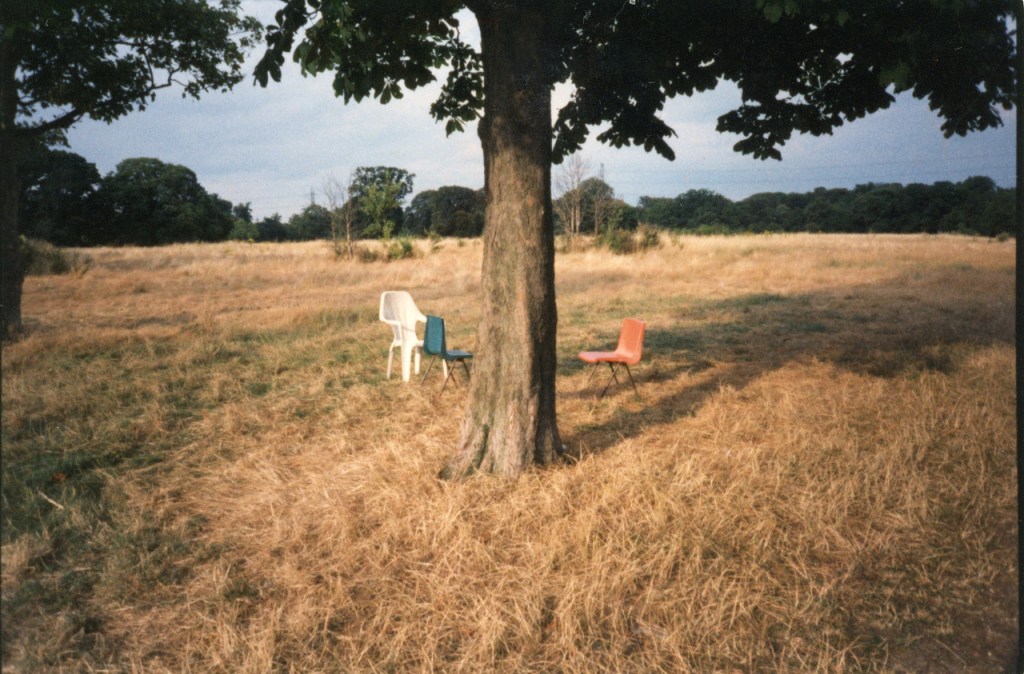
A recent encounter with the music of Blood Orange has provided an unexpected framework for rethinking about these ideas. Dev Hynes, who also grew up in Ilford, frequently returns to questions of memory, identity and belonging in his music. In The Last of England, he sings, “Ilford is the place that I hold dear,” while High Street Feat. Skepta recalls running from teenage bullies on Ilford Lane. These reflections neither romanticise nor reject the place; instead, they acknowledge the contradictions that accompany formative landscapes. The photographs move between the ordinary and the symbolic: familiar streets, suburban architecture, moments of quiet, and spaces that exist somewhere between permanence and change. It asks how we come to understand the places that first shaped us, and whether leaving is ever enough to escape them. Rather than resolving the love-hate relationship with my childhood home, the photographs embrace its ambiguity, suggesting that identity is inseparable from the places we have spent our lives trying to leave, only to discover that they continue to travel with us.
 David Bennett Photographer