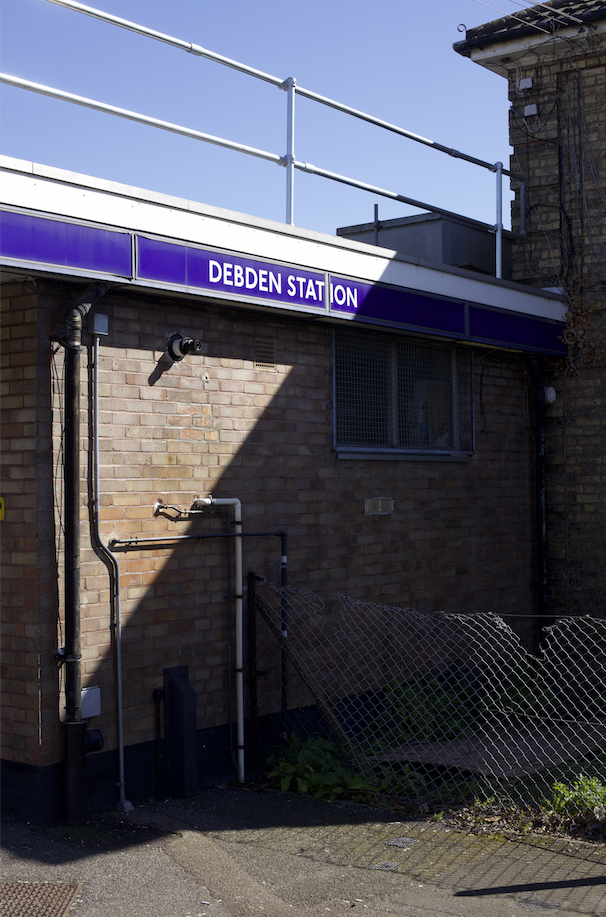




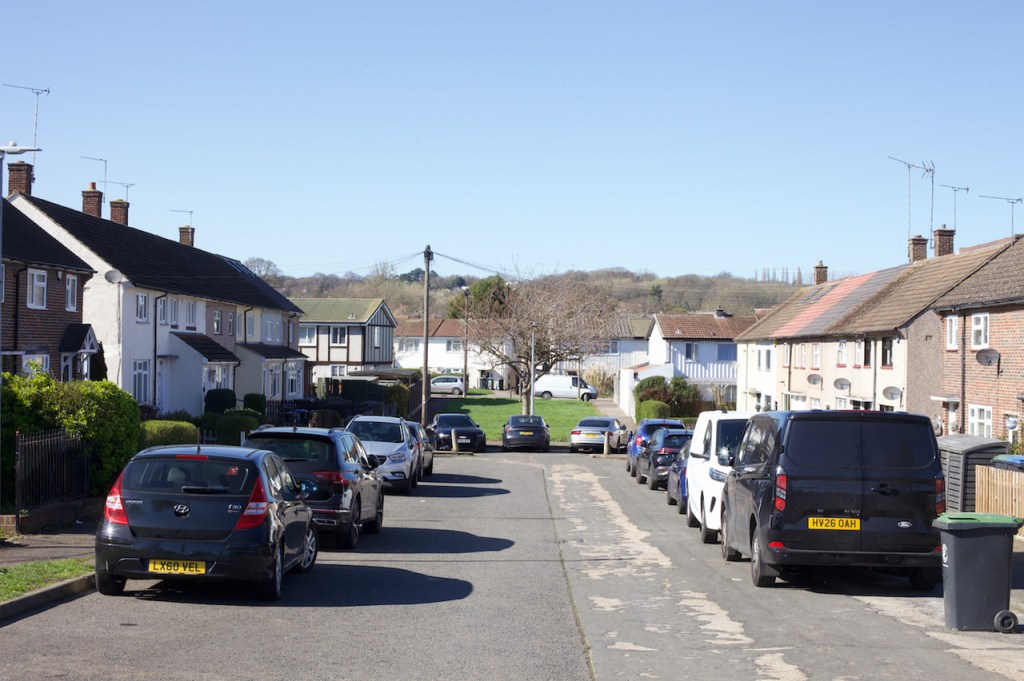
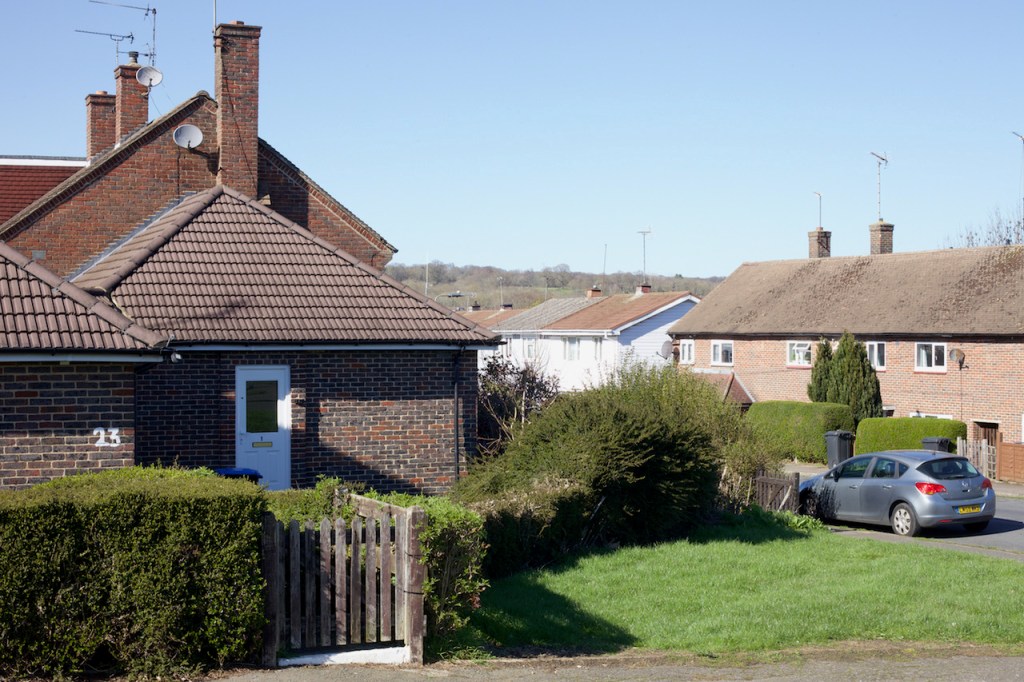










More Dash Than Cash examines the spatial, social, and symbolic conditions surrounding the Bank of England Printing Works in Debden, Essex, situating the site within a broader enquiry into value, visibility, and contemporary British identity. Since its opening in 1956, the facility has operated as a critical device of national infrastructure, printing every banknote in English circulation. Despite its importance, it remains physically inaccessible and visually obscured—embedded within a suburban landscape yet largely absent from public consciousness.
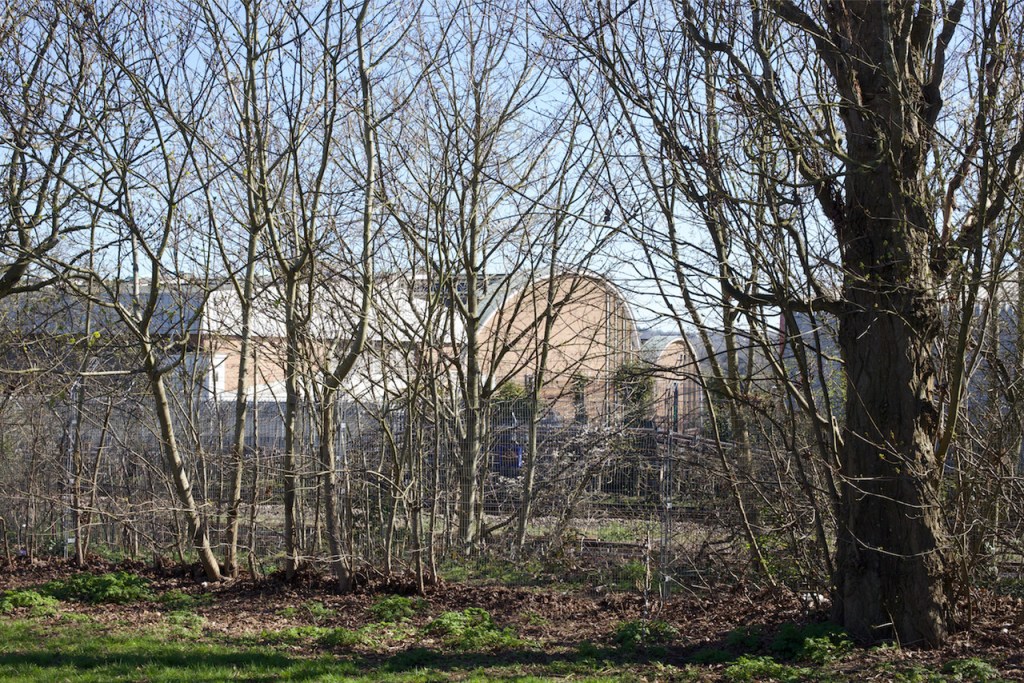
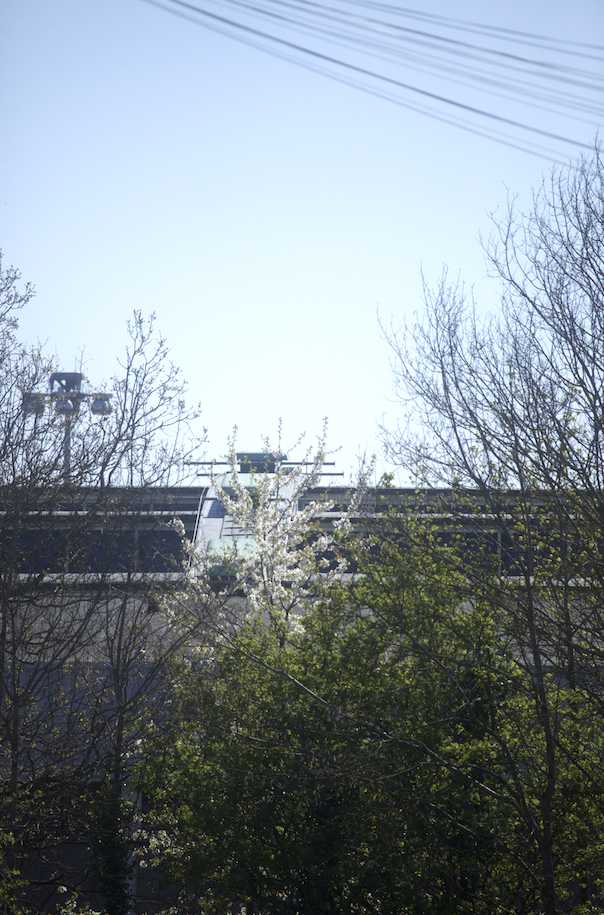
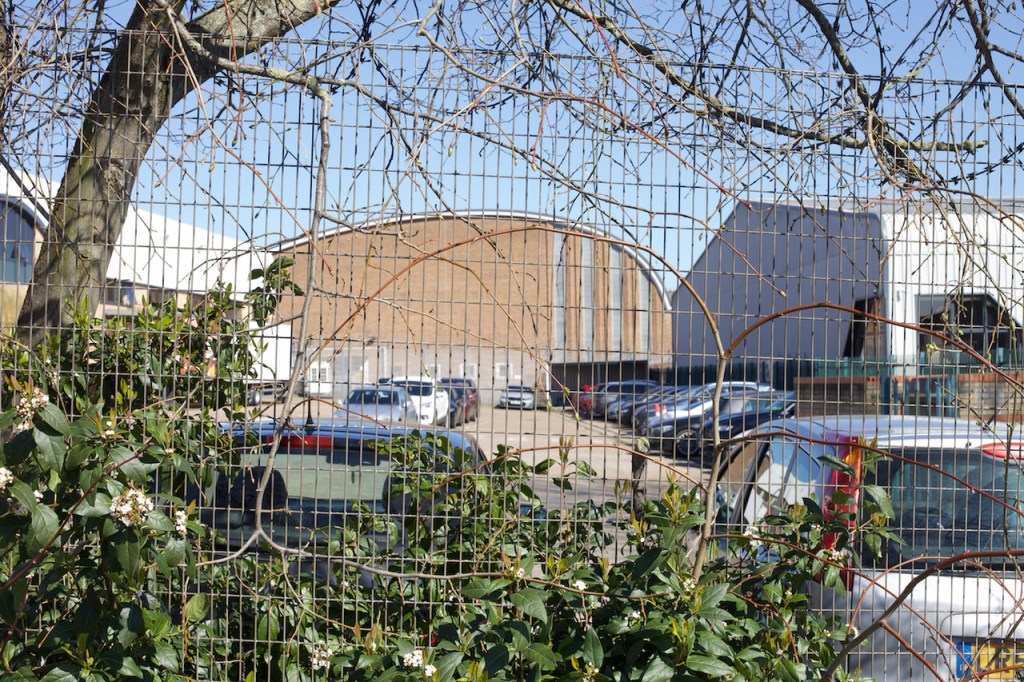
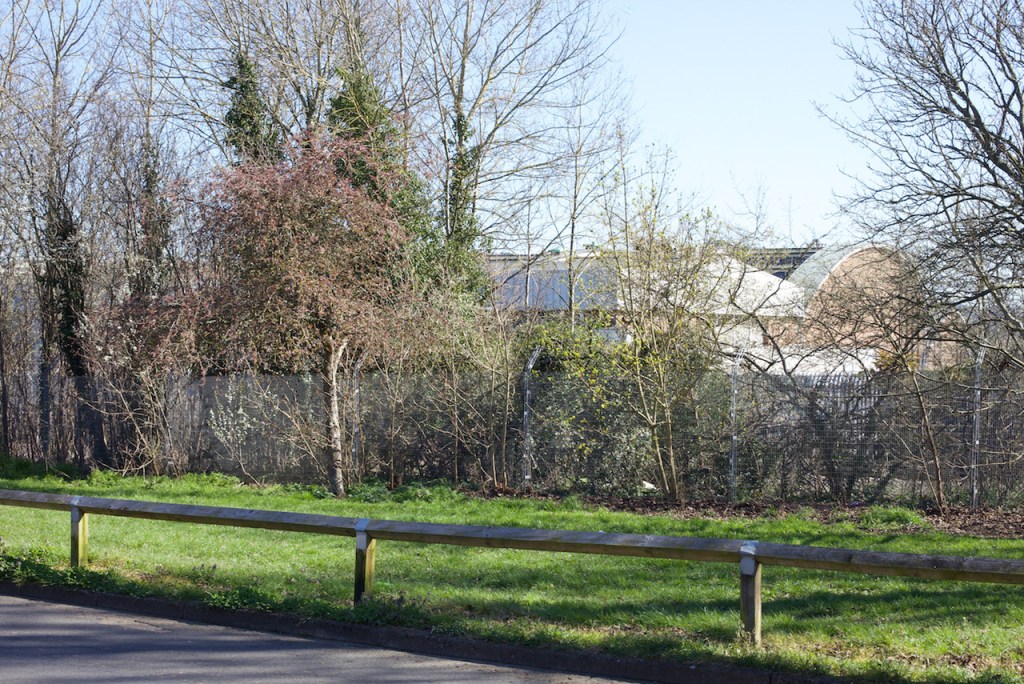
The project is motivated by this paradox of proximity and exclusion. The printing works occupies a position of significant economic and cultural authority, yet its presence is mediated through distance: glimpsed from peripheral viewpoints, partially concealed by architecture, vegetation, and security apparatus. It is present, yet remains largely unseen. These conditions raise questions about how value and power are built into the environment, while remaining separate from everyday experience
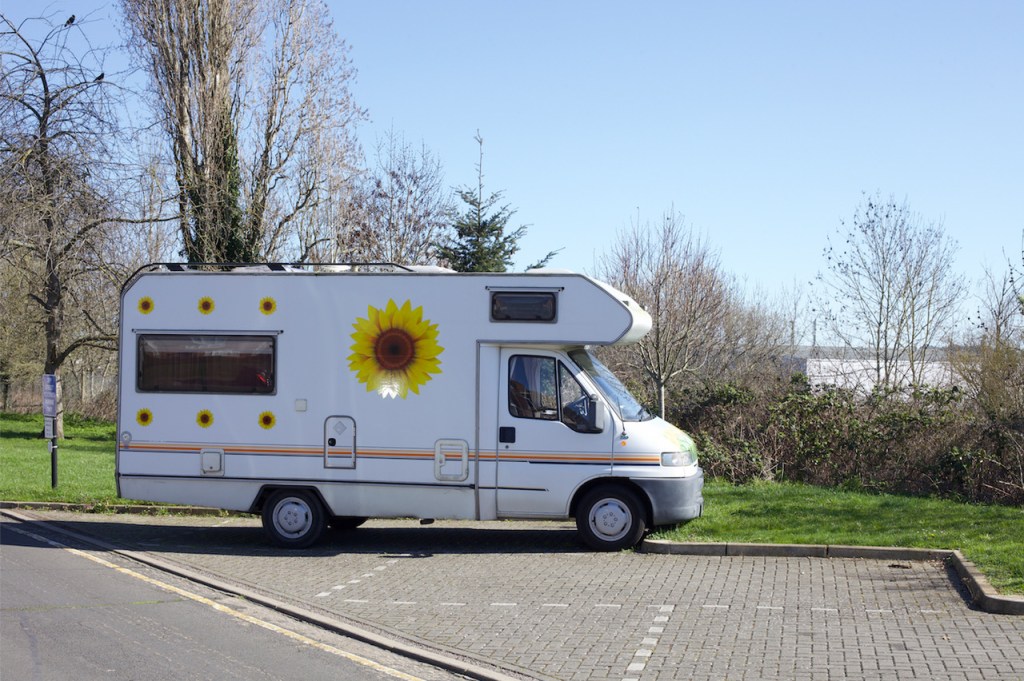
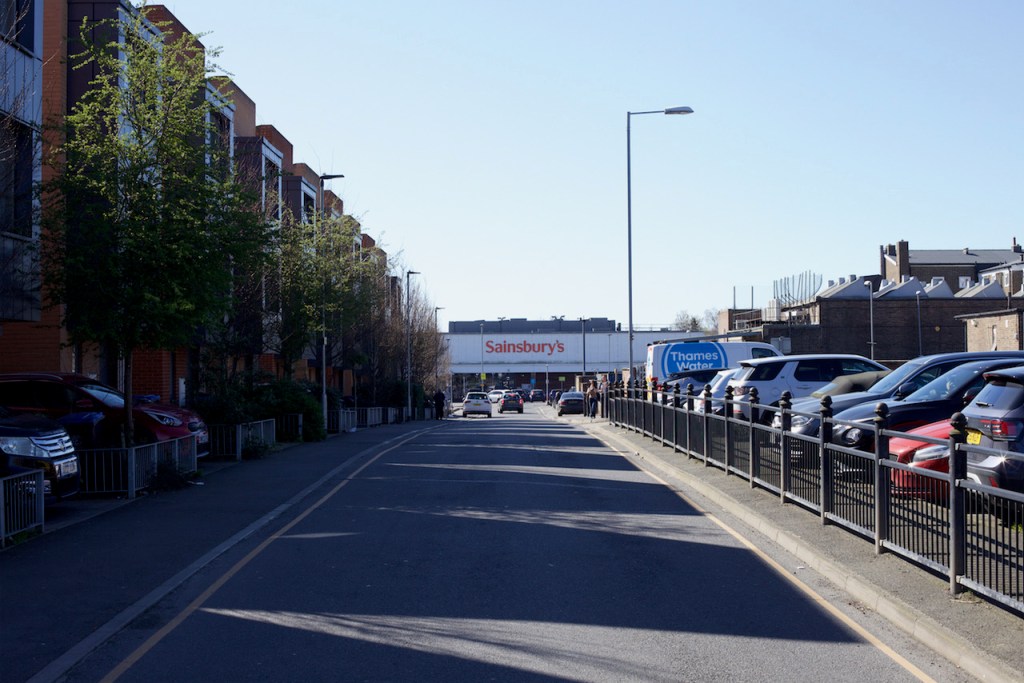
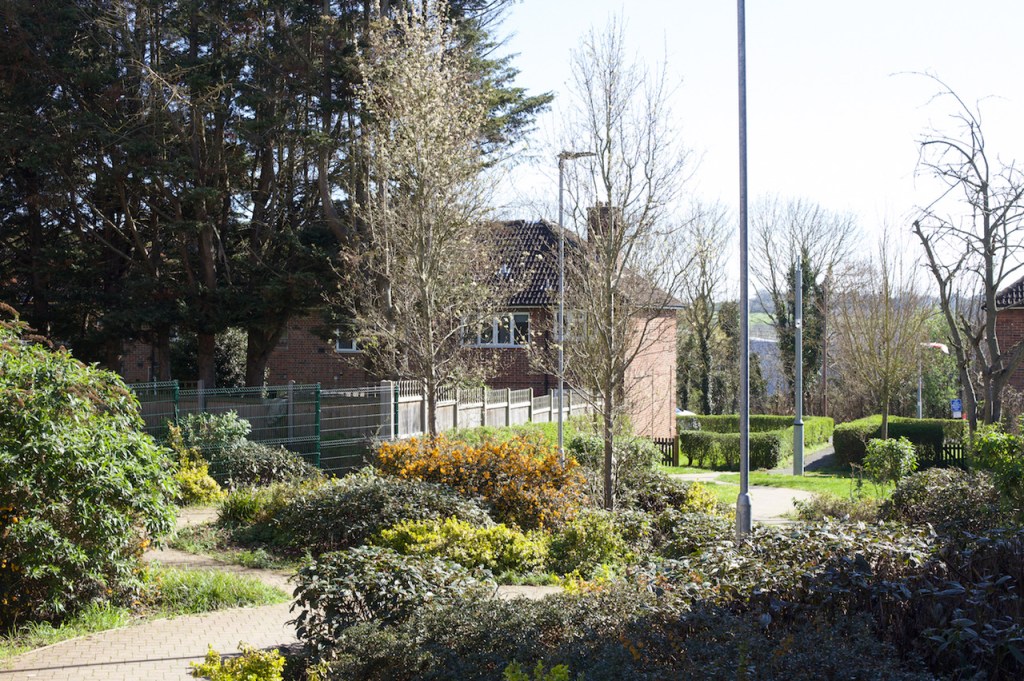
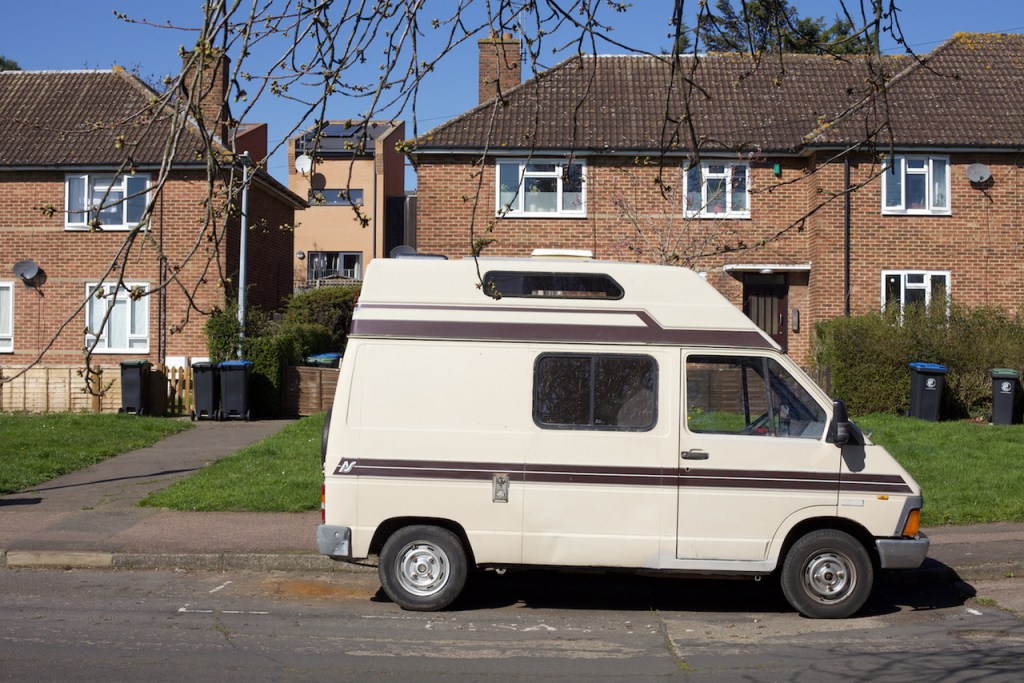
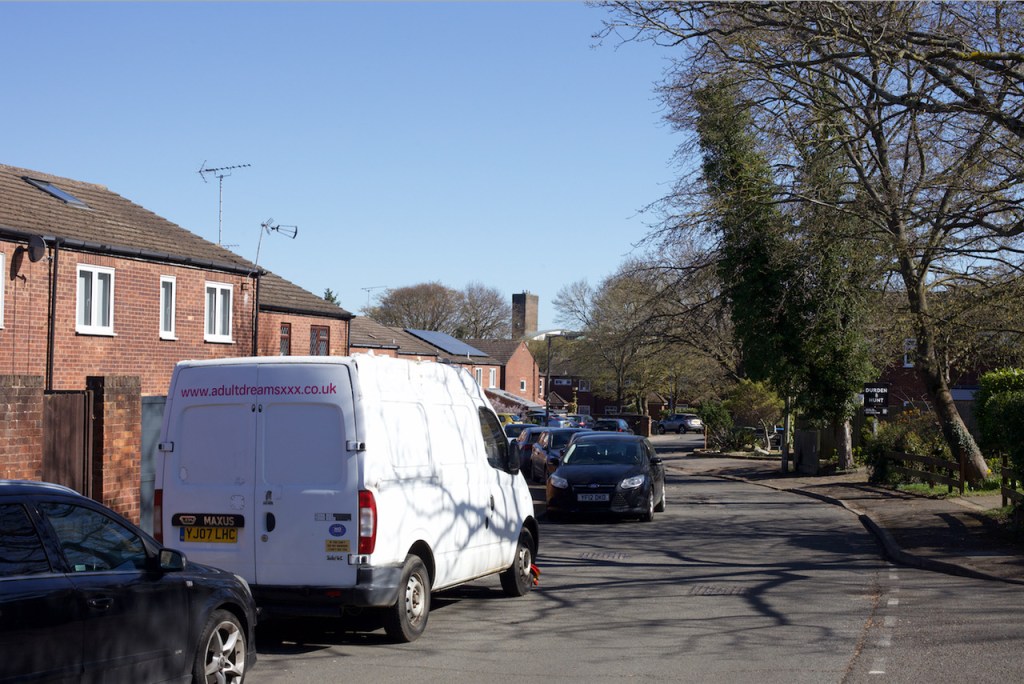
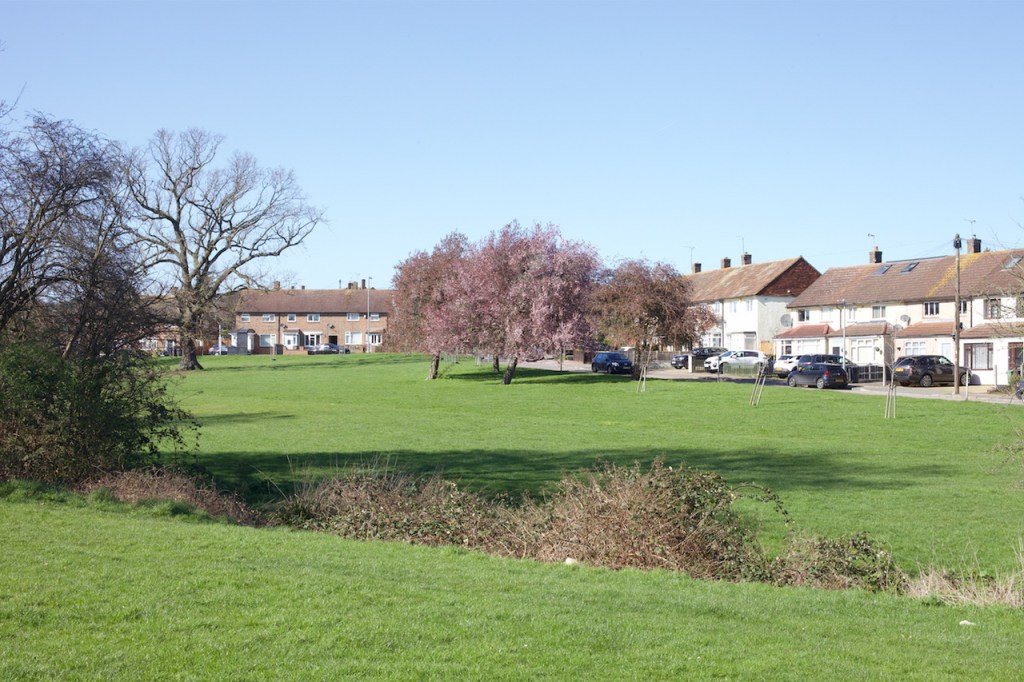
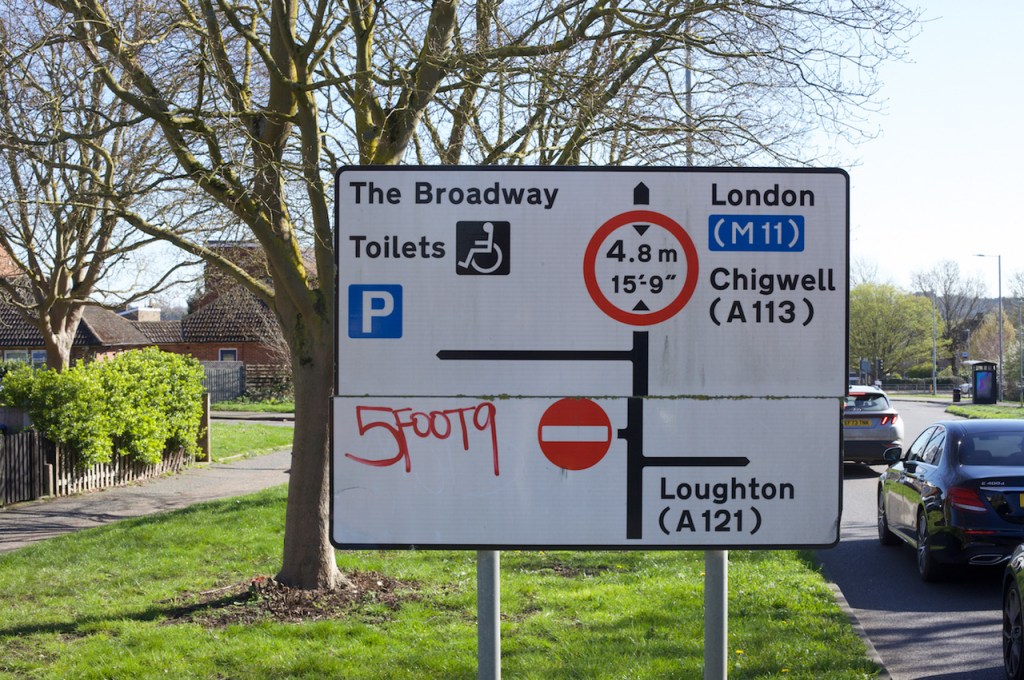
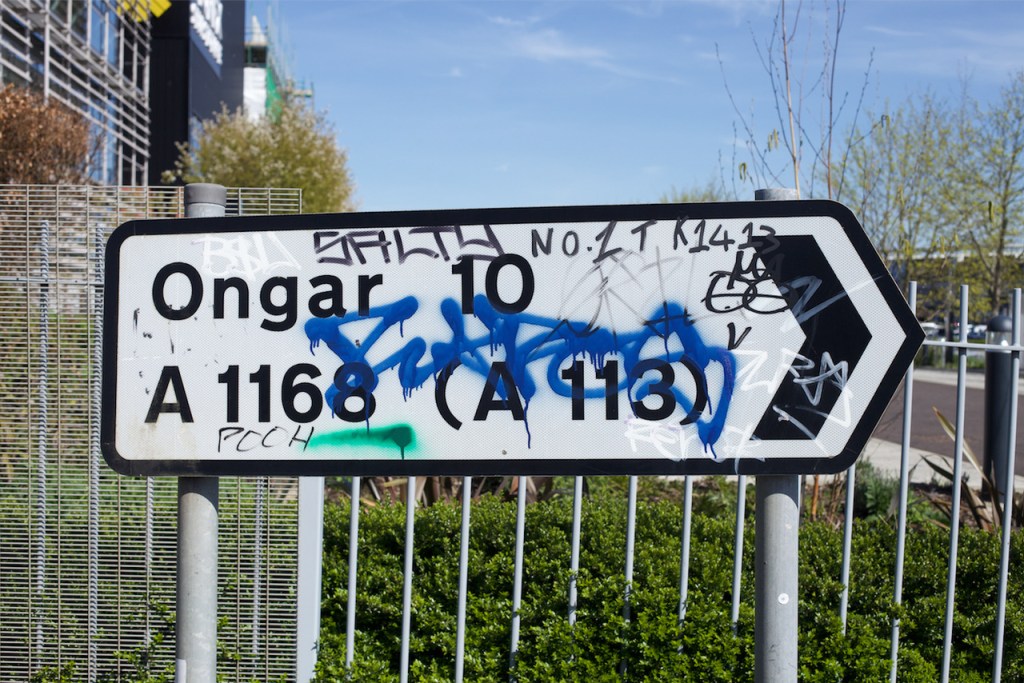
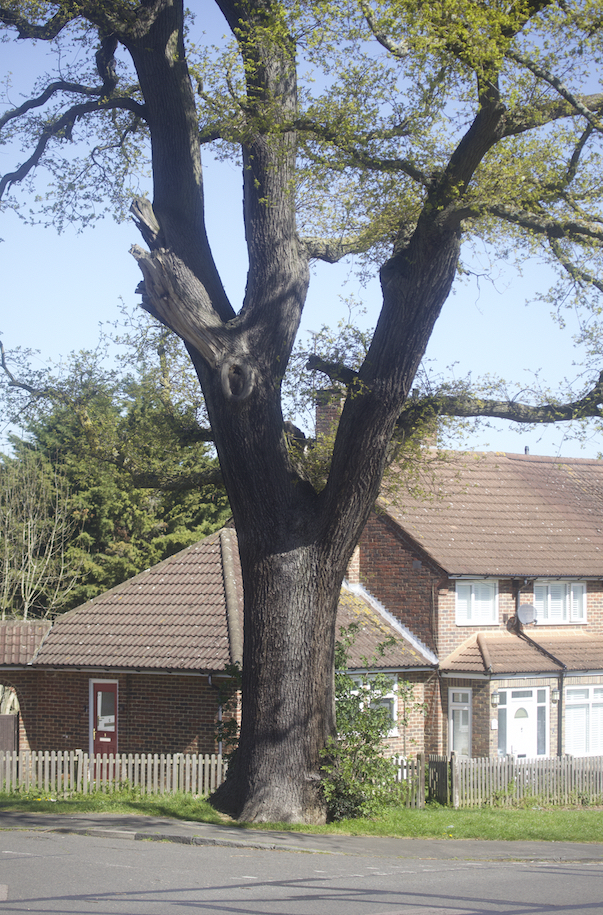
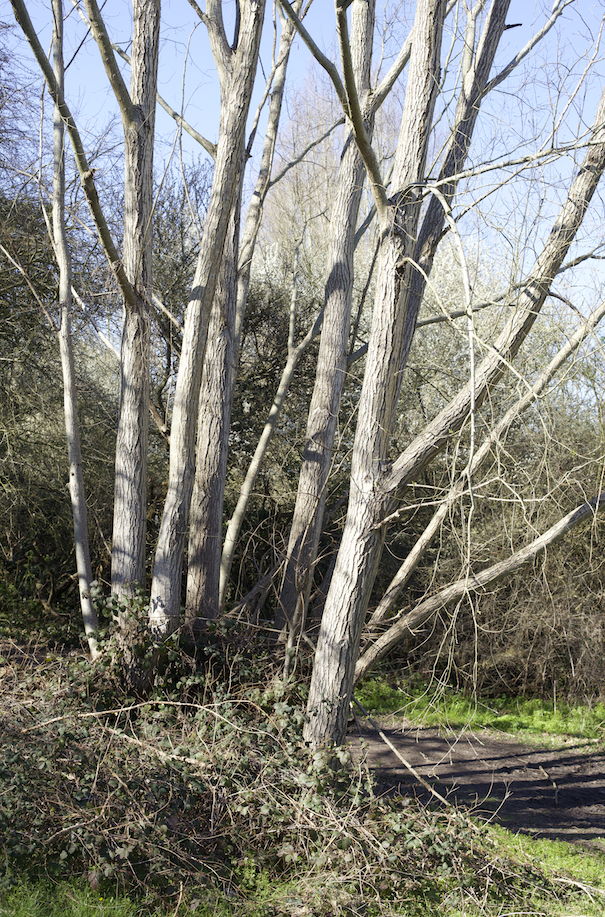
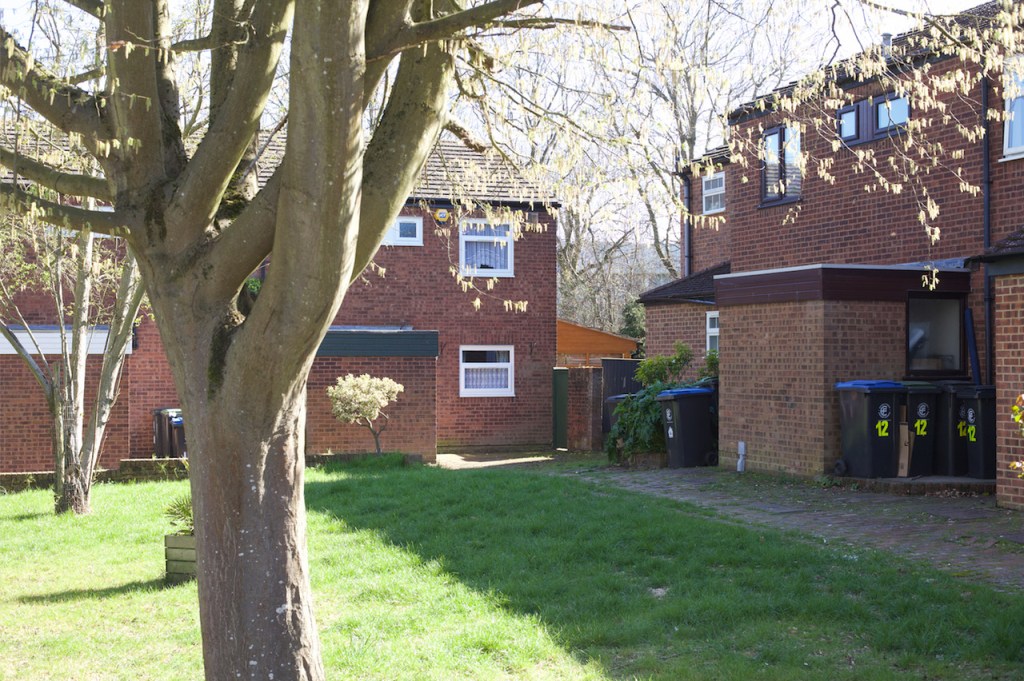
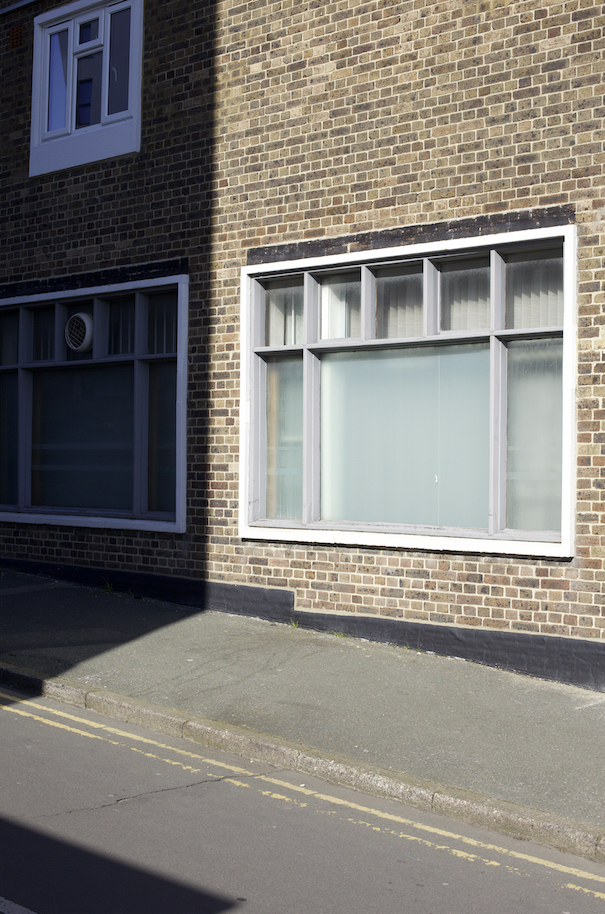
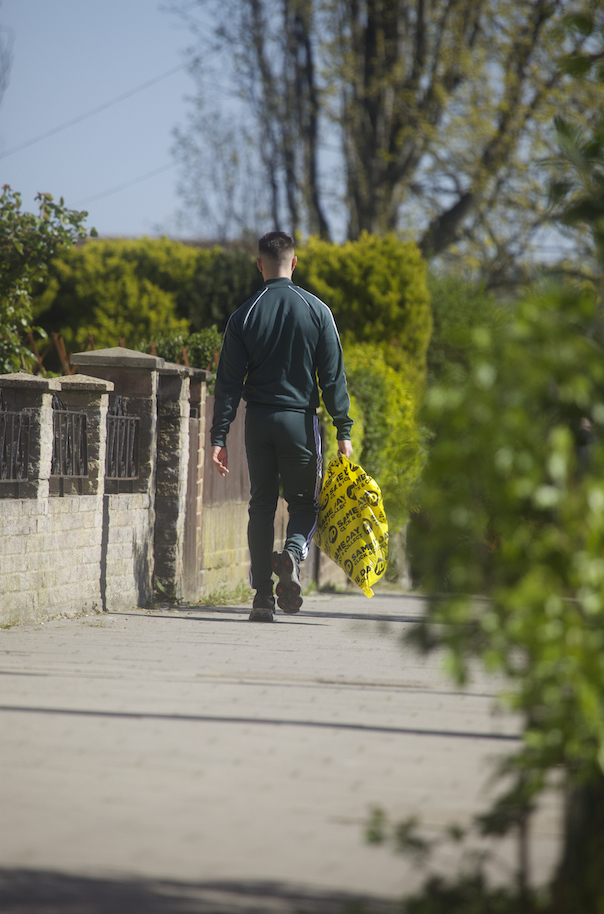
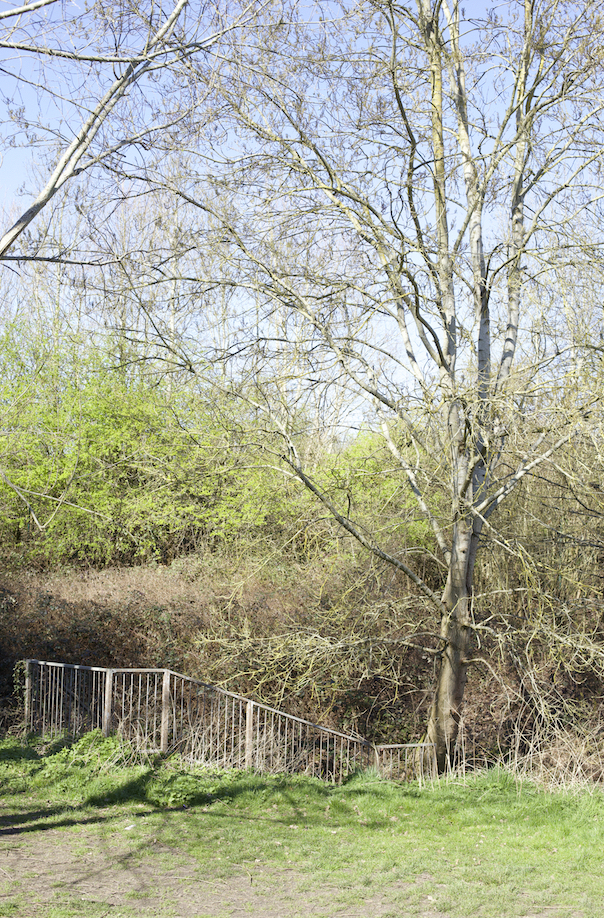
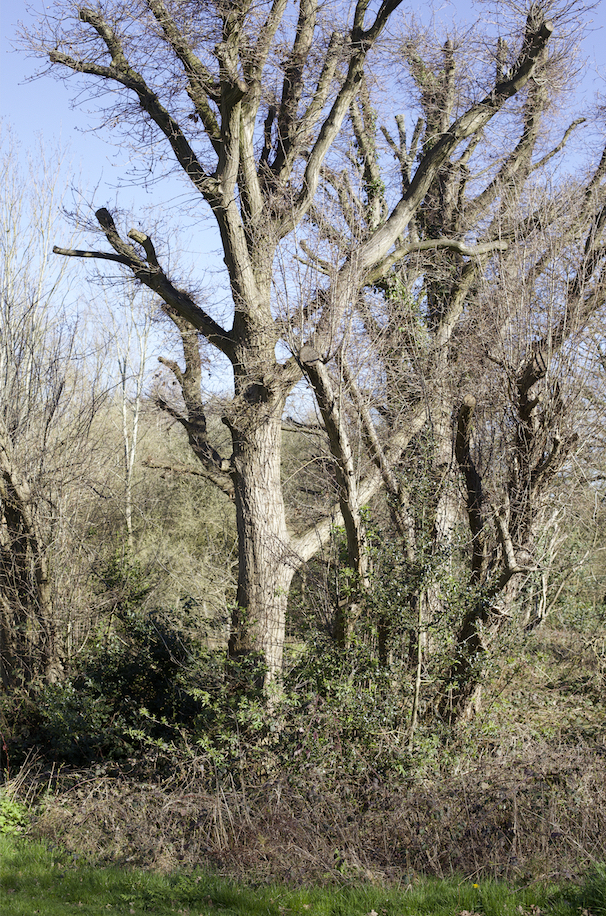
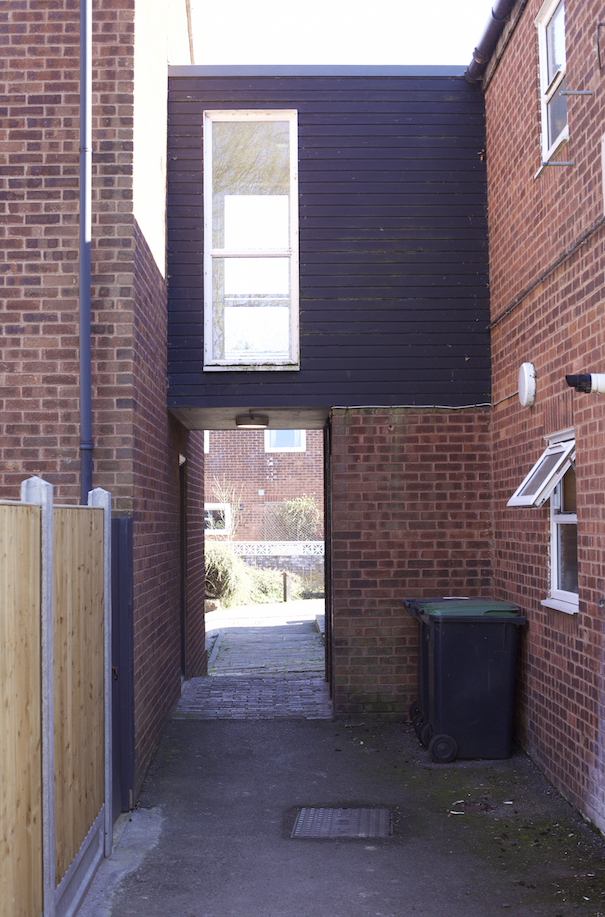
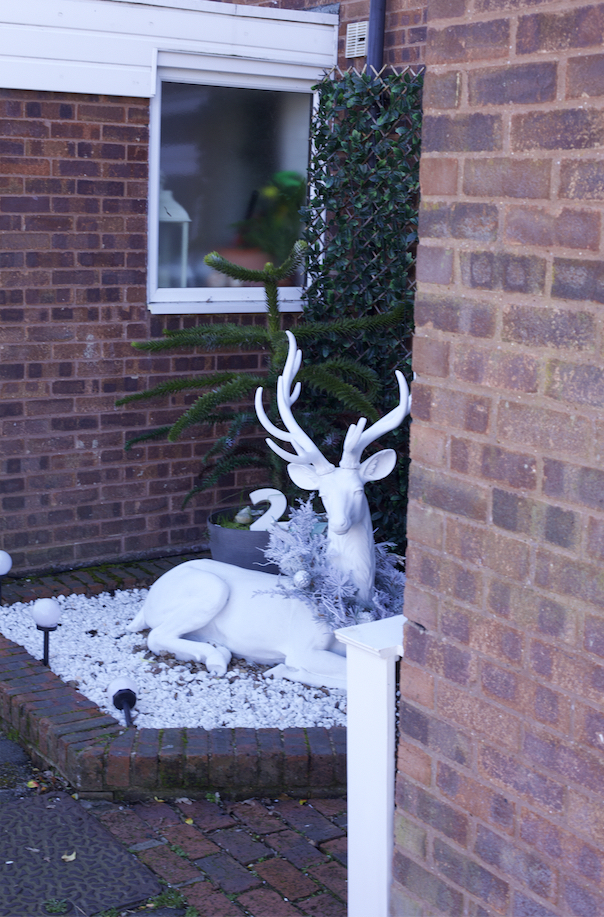
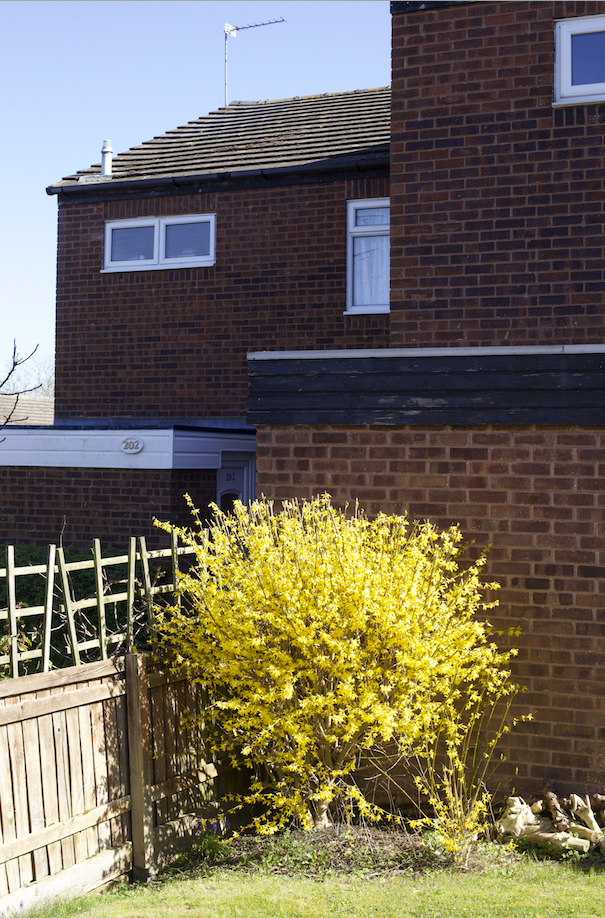
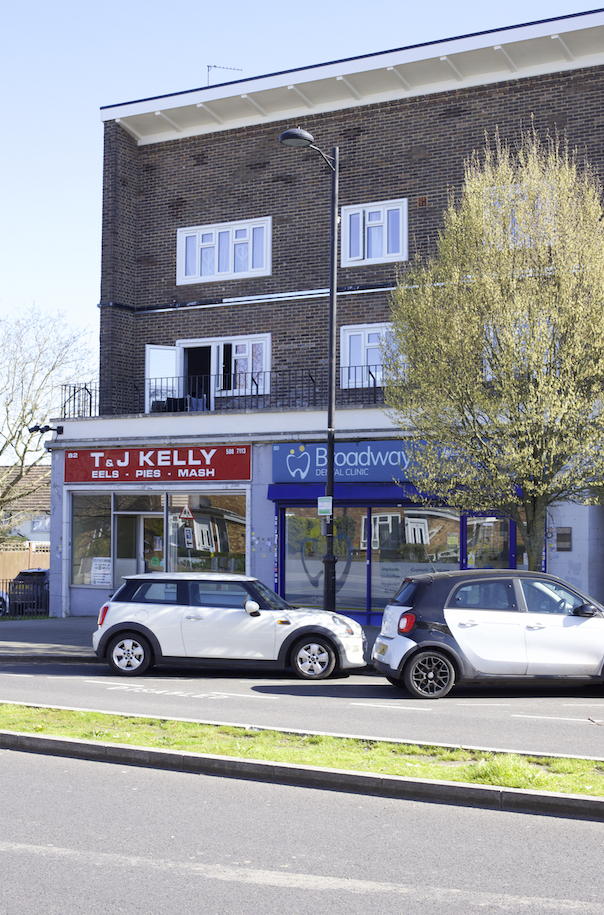
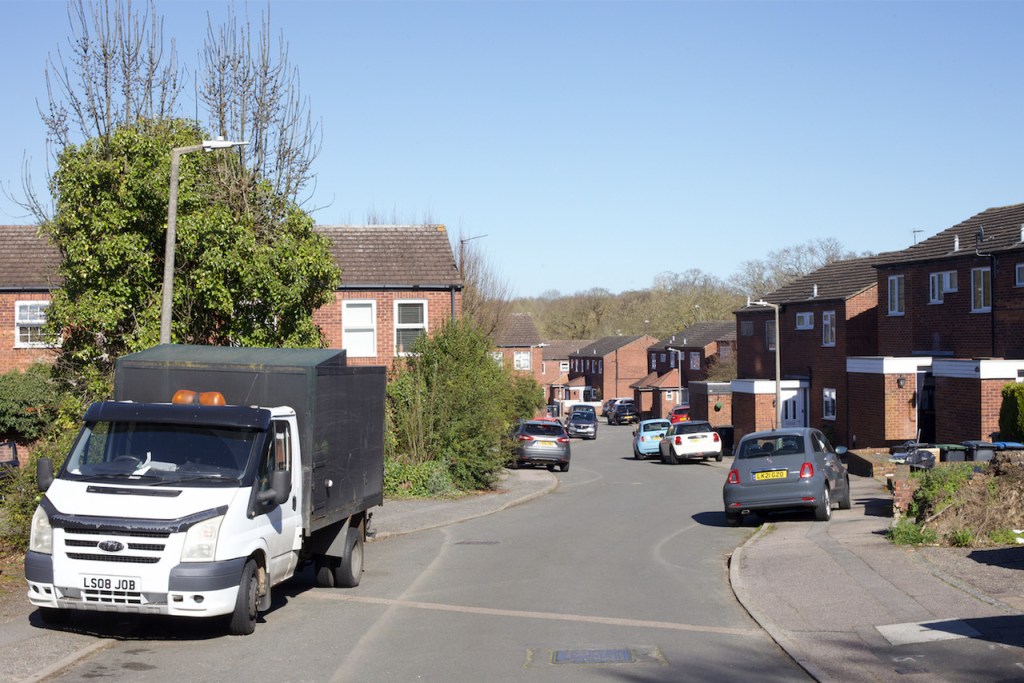
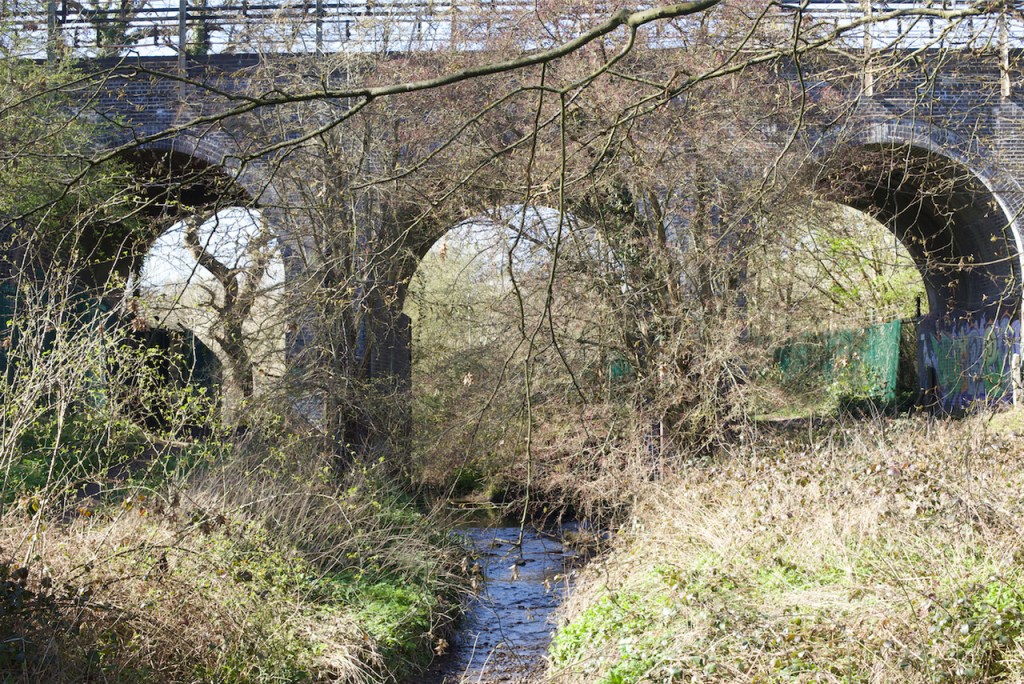
Landscape and architectural images made exclusively from publicly accessible vantage points, emphasising obstruction, fragmentation, and limited sightlines. These images resist the descriptive clarity traditionally associated with architectural photography, instead foregrounding absence and restriction as primary visual elements. Photographed within their immediate environments, residents are photographed wearing their own clothing, articulating forms of identity shaped by class, locality, and self-presentation. Their presence situates the institutional function of the printing works within the context of everyday life, highlighting the close relationship between national infrastructure and the communities that surround it. Together, the work considers how notions of value—economic, social, and cultural—are produced, distributed, and internalised, not only through formal systems but through the lived realities of place.
Suburbia emerges as a critical site of enquiry: a post-war landscape in which national histories of planning, industry, and governance intersect with everyday life. By engaging with the periphery rather than the centre, more dash than cash proposes an alternative mode of seeing, reframing the relationship between visibility and power, and to interrogate the often-unseen infrastructures that underpin contemporary Britain.
 David Bennett Photographer